
Kobe, Hyogo, Kansai, Japan
Mosque · Modern · 20th Century
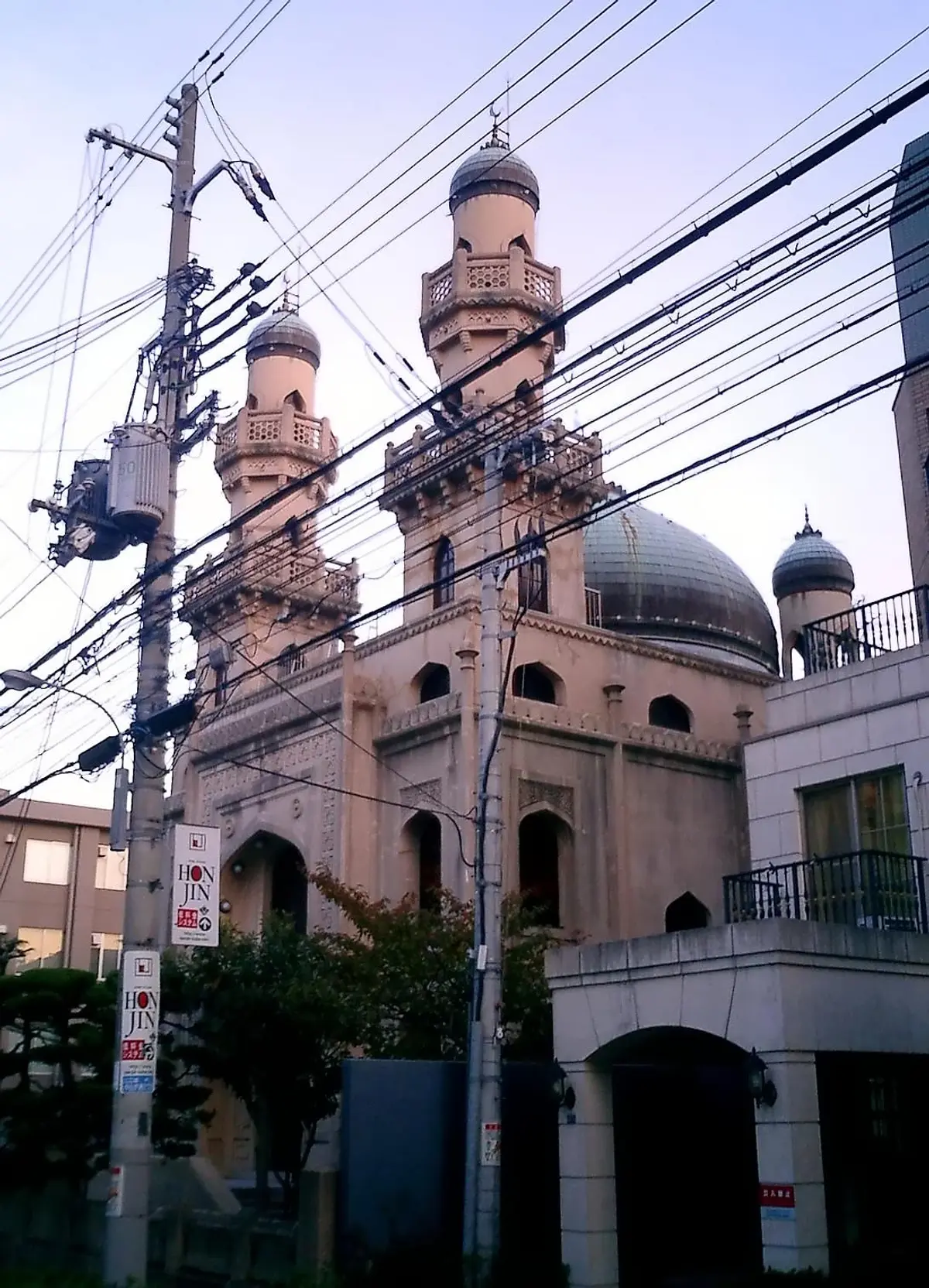
Kobe Muslim Mosque, established in 1935, is the first mosque ever built in Japan. It holds a legendary status as the "Miracle Mosque" due to its remarkable survival through two major catastrophes: the flattening air raids of World War II in 1945 and the devastating Great Hanshin Earthquake of 1995. Standing firm when surrounding buildings were destroyed, it has served not only as a place of worship but also as a place of refuge for the community during times of crisis. Its architecture is a beautiful blend of traditional Islamic designs constructed with resilient reinforced concrete.
Construction: 1935 – 1935
Founder: Kobe Muslim Committee
Key figures: Jan Josef Švagr (Architect)
Significance: Known as the "Miracle Mosque," it is Japan's first mosque and survived both the 1945 air raids during WWII and the Great Hanshin Earthquake of 1995.
- 1935: Mosque construction completed and opened in October.
- 1945: Survived the Great Kobe Air Raids during WWII while surrounding buildings were destroyed.
- 1995: Survived the Great Hanshin Earthquake with minimal damage and served as a shelter.
Architectural styles: Indo-Islamic, Traditional
Architects: Jan Josef Švagr
Materials: Reinforced Concrete
- Minarets: Features distinctive minarets and a central dome typical of ottoman and indian architecture fusion.
- Structure: Reinforced concrete structure.
Opening hours: Open for prayers (summer) · Open for prayers (winter) – Visitors are welcome. Please contact in advance for group tours.
- General: €0.00
Accessibility: Accessible
Official site: http://www.kobe-muslim-mosque.com/
Address: 2 Chome-25-14 Nakayamatedori, Chuo Ward, Kobe, Hyogo 650-0004, Japan
Coordinates: 34.6961, 135.1878